
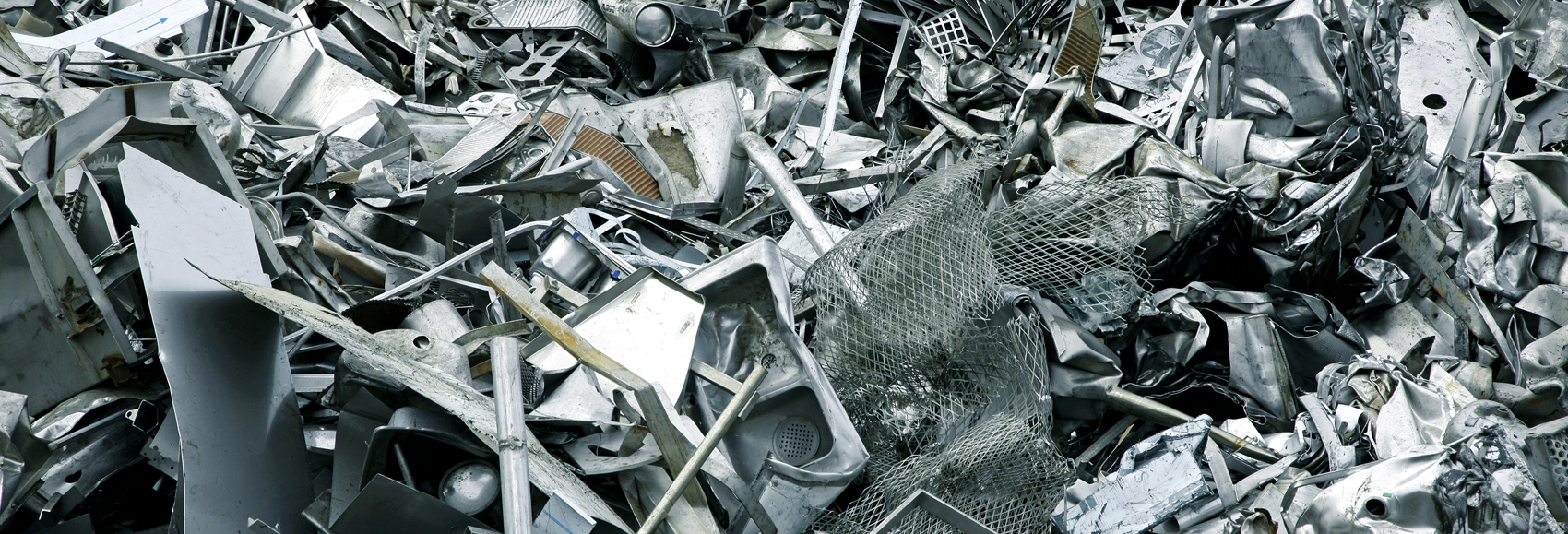
Scrap metal recycling is an easy way to keep unwanted metal out of landfill while giving old materials a second use. From old car parts and appliances to construction materials and electrical wiring, many everyday items contain valuable metals that recyclers can recover and process.
In Australia, scrap metal recycling supports a more sustainable approach to waste management. It also helps businesses, households and industries make better use of materials they no longer need. Understanding how the process works can help you decide what to recycle, how to prepare your scrap and why proper recycling matters.
What Is Scrap Metal Recycling?
Scrap metal recycling involves collecting unwanted metal, sorting it, processing it and preparing it for use in new products. Instead of sending metal items to landfill, recycling facilities recover the useful material and return it to the manufacturing cycle.
Recyclers generally separate metals into two main groups, ferrous and non-ferrous metals.
Ferrous metals contain iron. Steel and iron are common examples. You can find them in vehicles, machinery, building materials, tools and appliances.
Non-ferrous metals do not contain iron. Aluminium, copper, brass, bronze and lead are common examples. These metals often have a higher scrap value and appear in products such as electrical cables, plumbing materials, car components and household items.
What Types of Scrap Metal Can You Recycle?
A wide range of metal items can go through the recycling process. The exact materials accepted can vary between recycling facilities, so it is always worth checking before you drop anything off.
Common recyclable scrap metal includes:
- Steel and stainless steel
- Aluminium
- Copper
- Brass
- Bronze
- Iron
- Lead
- Car parts
- Electrical cables and wires
- Metal pipes
- Old machinery
- Metal furniture
- Appliances
- Construction and demolition materials
Some items may contain a combination of materials. Recyclers can often separate these components during processing, but removing unnecessary non-metal materials before collection can make the process easier.
Also Read – How Aluminium Recycling Works Step by Step
How Does the Scrap Metal Recycling Process Work?
Scrap metal recycling follows several steps. Each stage helps prepare the material for its next use.
Collection
The process begins when households, businesses, tradespeople or industries collect unwanted metal. Depending on the amount and type of scrap, a recycling company may offer collection services.
Sorting
Workers or specialised equipment sort the scrap according to its metal type and quality. Magnets can help separate ferrous metals from non-ferrous materials. This step matters because different metals require different processing methods.
Processing
After sorting, recyclers prepare the metal for processing. They may cut, compact, shred or crush larger pieces. These methods make the material easier to handle and transport.
Cleaning
Recyclers remove dirt, plastic, rubber and other unwanted materials where required. Cleaner scrap can improve the quality of the recycled material.
Melting and Refining
Processing facilities melt metals in specialised furnaces. They then refine the material to meet the requirements for its next application.
Manufacturing
Manufacturers can use recycled metal to create new products and components. This gives the material another useful life instead of sending it to landfill.
Why Is Scrap Metal Recycling Important?
Metal recycling offers environmental and economic benefits.
Recycling reduces the need to extract new raw materials from the earth. Mining requires land, energy, water and other resources. Recovering existing metal can reduce some of this demand.
It also helps reduce the amount of waste sent to landfill. Metal does not break down like organic waste, so recycling provides a better option for many unwanted metal products.
Recycling can also save energy compared with producing some metals from virgin raw materials. The exact energy savings depend on the metal and the recycling process involved.
There is an economic benefit too. Scrap metal has value, which means unwanted materials can sometimes provide a return instead of becoming a disposal cost. Recycling also supports businesses and jobs across the collection, processing and manufacturing sectors.
How Can You Prepare Scrap Metal for Recycling?
A little preparation can make scrap collection easier.
Start by separating metal from general rubbish where possible. Remove obvious non-metal materials such as plastic, cardboard and rubber if they come away easily and safely.
Keep different types of metal separate when practical. For example, storing copper, aluminium and steel separately can help recyclers sort the material more efficiently.
Do not burn cables, coated metals or other materials to remove insulation or unwanted parts. Burning can release harmful fumes and creates unnecessary environmental and safety risks.
If you are dealing with large machinery, vehicles or commercial quantities of scrap, ask the recycler about its requirements before arranging collection.
What Should You Check Before Choosing a Scrap Metal Recycler?
Not every recycling service operates in the same way. Before choosing a recycler, check which types of scrap they accept and whether they provide pickup services.
You should also ask how they handle different materials and whether they follow relevant Australian environmental and safety requirements.
For businesses, a reliable recycling service can make regular scrap disposal easier. It can also help keep work areas organised and reduce the amount of recyclable material that ends up in general waste.
Can You Make Money From Scrap Metal?
Yes, some types of scrap metal have a resale value. The amount you receive depends on factors such as metal type, weight, quality, market conditions and the recycler’s current rates.
Copper, brass and aluminium can have different values from common steel or iron. Prices can change over time, so do not assume that one rate will remain the same.
If you have a large quantity of scrap, separating the materials before collection may help you get a clearer assessment of what you have.
The Bottom Line
Scrap metal recycling gives unwanted materials another purpose. It reduces waste, supports resource recovery and helps businesses and households manage metal responsibly.
At Union Metal Recycling, we make scrap metal recycling simple for households, businesses and industries across Australia. We help our customers manage unwanted metal responsibly while making the most of materials that still have value. Whether you have a small amount of scrap or a large commercial load, our team can help you find a practical recycling solution.
By sorting your materials, preparing them safely and choosing a reliable Australian scrap metal recycler, you can make better use of valuable resources while reducing unnecessary waste.