
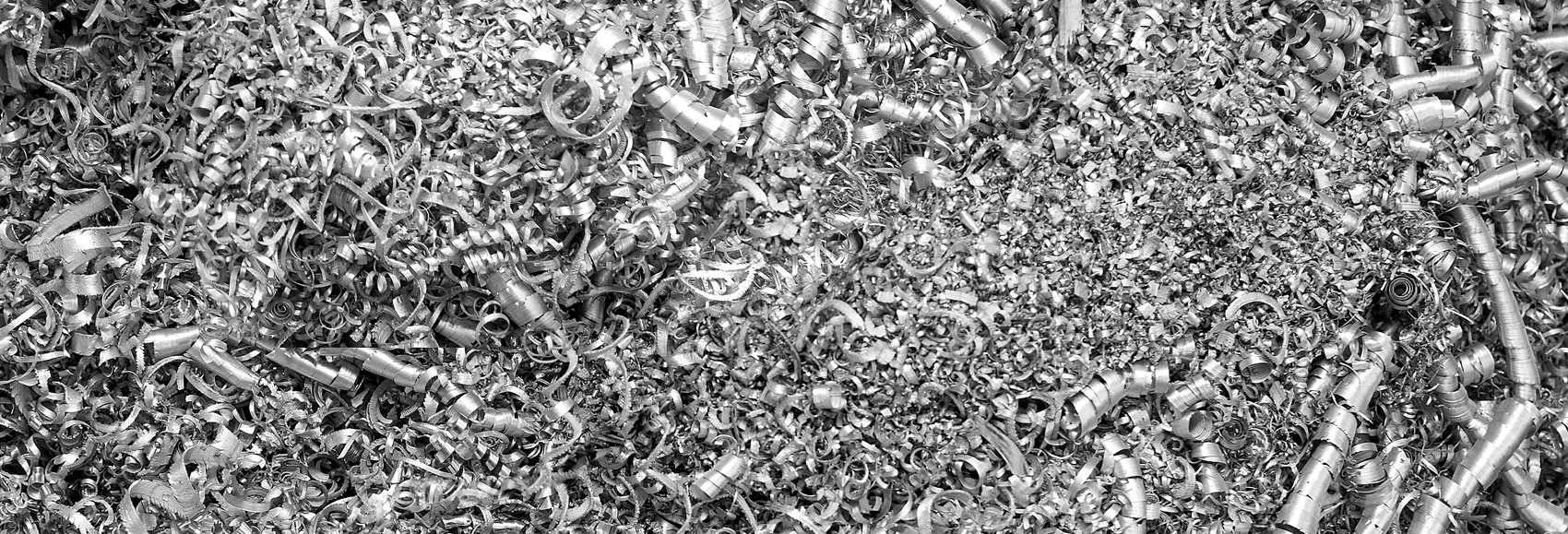
Aluminium is one of the most widely used metals in everyday life. You can find it in drink cans, window frames, electrical wiring, car parts, building materials and many other products. Once these items reach the end of their useful life, aluminium does not have to become waste. Scrap metal recyclers can recover it and send it back into the manufacturing cycle.
One of the biggest advantages of aluminium recycling is that the metal can be recycled again and again without losing its key properties or quality. Around 75% of all aluminium ever produced remains in use today. Recycling aluminium also uses only about 5% of the energy needed to produce primary aluminium from bauxite.
So, what actually happens to aluminium after you send it for recycling? Here is a simple look at each stage.
Step 1 Collecting Aluminium Scrap
The recycling process starts when people and businesses collect unwanted aluminium items. Households, construction sites, manufacturers, businesses, scrap merchants and local authorities can all supply aluminium scrap.
Recyclers generally handle two main types of scrap. New scrap comes from manufacturing and fabrication processes. Aluminium offcuts from sheets, pipes or extrusions are common examples. Because manufacturers know the composition of this material, recyclers can often process it more easily.
Old scrap comes from products that consumers have already used and discarded. This can include drink cans, window frames, electrical cabling and vehicle components such as car cylinder heads. Unlike new scrap, old scrap may contain unknown materials or contaminants, so recyclers need to process it carefully.
Step 2 Sorting the Scrap
Once the aluminium reaches a recycling facility, workers and equipment sort it into different groups. This step matters because aluminium products can contain different alloys, coatings and other materials.
Recyclers separate coated aluminium, such as painted or lacquered pieces, from uncoated aluminium. They also remove paper, plastic and other materials that do not belong in the aluminium stream.
Recycling facilities can use a combination of manual sorting and specialised equipment. In mixed recycling facilities, machines such as eddy current separators can separate aluminium from other materials. Proper sorting helps recyclers maintain the quality of the recovered metal and prepare it for further processing.
Step 3 Crushing and Preparing the Aluminium
After sorting, recyclers prepare the aluminium for transport and processing. They may crush or compact the scrap into bales. Compacting the material reduces its volume, which makes storage, handling and transportation easier and more cost-effective.
Some facilities may also shred larger pieces of scrap into smaller sections. Smaller pieces are easier to handle and can help the recycling facility prepare the metal for the next stage.
At this point, recyclers have removed much of the unwanted material and prepared the aluminium scrap for melting.
Step 4 Removing Coatings and Contaminants
Not all aluminium can go directly into a melting furnace. Some scrap has paint, lacquer or other coatings that recyclers need to remove first.
Uncoated aluminium can move directly into a remelting furnace. Coated aluminium usually goes through an additional treatment stage. The Australian Aluminium Council explains that recyclers can use a gas-fired rotary furnace to remove coatings before transferring the material to a remelter.
This stage helps produce cleaner molten aluminium and reduces the amount of unwanted material that enters the next part of the process.
Step 5 Melting the Aluminium
Once recyclers prepare the scrap, they place it into a large furnace called a remelter. The furnace heats the aluminium until it becomes molten metal.
The melting stage gives aluminium its biggest recycling advantage. Instead of starting with bauxite and going through the energy-intensive process of producing new aluminium, recyclers can melt existing aluminium and use it again.
According to the Australian Aluminium Council, recycling aluminium requires only about 5% of the energy needed to produce primary aluminium. A 2019 global comparison found primary aluminium production required 186 gigajoules of primary energy per tonne, compared with 8.3 gigajoules per tonne for recycled aluminium. That represents an energy saving of 95.5%.
Step 6 Casting the Recycled Aluminium
After melting, the recycler transfers the molten aluminium for casting. The Australian Aluminium Council states that recyclers cast molten aluminium at a temperature of just over 700°C to form ingots.
These solid aluminium forms can then move into manufacturing processes. Manufacturers can use recycled aluminium to produce new products such as building components, vehicle parts, packaging, electrical products and other aluminium goods.
The exact manufacturing process depends on the type of aluminium product being made. The recycled metal may undergo further processing such as rolling, extrusion or casting before it becomes a finished product.
Step 7 Giving Aluminium a New Life
The final stage is where the recycling process comes full circle. Manufacturers use the recovered aluminium to make new products, which people and businesses can use again.
When those products eventually reach the end of their useful life, recyclers can collect the aluminium and begin the process again. Aluminium does not lose its fundamental properties through repeated recycling, which allows it to stay in circulation for a long time.
Why Aluminium Recycling Matters
Aluminium recycling does more than keep scrap out of landfill. It reduces the need for new primary aluminium production and significantly lowers the energy required to produce usable metal.
For businesses and households, recycling aluminium also turns an unwanted material into a valuable resource. Scrap aluminium has a financial value, which encourages collection and recovery across the recycling industry.
At Union Metal Recycling, we help businesses and individuals give unwanted aluminium a new purpose through responsible scrap metal recycling. We collect and process aluminium scrap so it can return to the recycling cycle instead of ending up as waste. By choosing to recycle your aluminium with us, you can recover value from unwanted metal while supporting a more sustainable approach to resource use.
Understanding how aluminium recycling works shows why separating and recovering scrap metal matters. What may look like an old can, window frame or piece of aluminium offcut can become useful raw material again. With proper collection, sorting, preparation and remelting, aluminium can continue moving through the recycling cycle instead of being treated as waste.