
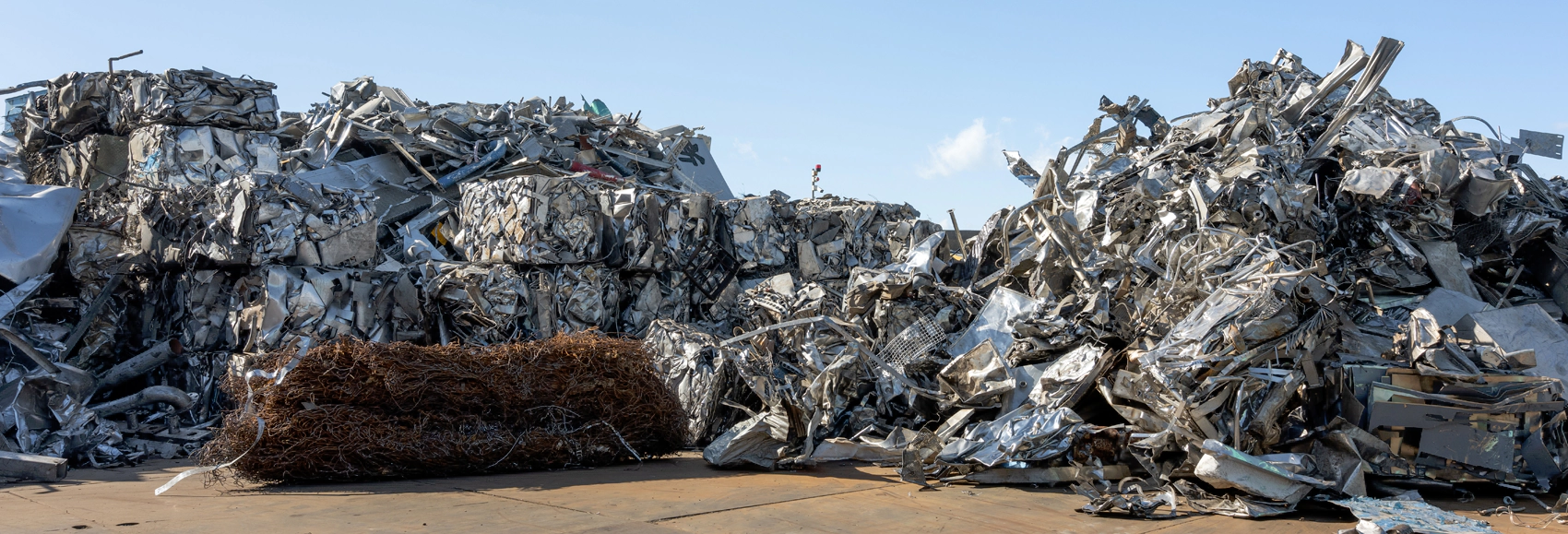
Scrap metal recycling is an effective way to reduce waste, conserve natural resources and give unwanted metal items a new purpose. From old car parts and damaged appliances to leftover construction materials, many metal items can be recycled instead of ending up in landfills. However, if you have never recycled scrap metal before, you may wonder how the process works and what happens after you hand over your materials.
Understanding each stage can help you prepare your scrap metal, know what to expect at a recycling facility and make better decisions about disposing of unwanted metal. Here is a simple guide to the scrap metal recycling process in Australia.
1. Collecting and Sorting Scrap Metal
The process begins with collecting scrap metal from homes, businesses, construction sites, factories and other sources. Common items include old pipes, metal sheets, electrical wiring, vehicle parts, machinery and household appliances.
Recycling facilities sort these materials into different categories based on their type and properties. The two main categories are ferrous and non-ferrous metals.
Ferrous metals, such as iron and steel, contain iron and usually attract magnets. Non-ferrous metals include aluminium, copper, brass, lead and zinc. These metals generally do not attract magnets and often have a higher scrap value.
Correct sorting helps recycling facilities process materials efficiently and recover metals for reuse. If you plan to sell scrap metal, separating different types before taking them to a recycling centre can make the process easier.
2. Inspecting and Weighing the Materials
Once you bring your scrap metal to a recycling facility, staff inspect the materials to identify their type, condition and suitability for recycling. They may check for mixed metals, excessive dirt, plastic attachments or other materials that could affect processing.
The facility then weighs your scrap metal to determine the quantity you have supplied. Many recycling centres use industrial scales to measure the load accurately. Depending on the facility, staff may weigh your vehicle before and after unloading or weigh the scrap separately.
The metal type, weight and current market conditions can influence how much you receive for your scrap. Copper and brass, for example, often attract different prices from steel and iron because their demand, properties and recovery costs differ.
If you intend to sell scrap metal, ask the recycling facility about its weighing procedures, accepted materials and pricing arrangements before unloading your items.
3. Removing Unwanted Materials
Before recycling facilities process scrap metal, they may need to remove materials that do not belong in the metal recycling stream. These can include plastic, rubber, wood, glass, insulation and other non-metal components.
For example, an old electrical cable may contain copper surrounded by plastic insulation. Similarly, a metal appliance may contain plastic panels, rubber seals and electronic components that require separate handling.
Workers or specialised equipment remove these unwanted materials to improve the quality of the recovered metal. Facilities may also inspect scrap for hazardous substances, oils or other contaminants that require careful handling.
You can help by keeping your scrap metal reasonably clean and separating obvious non-metal attachments where it is safe to do so. However, avoid dismantling appliances or electrical equipment if doing so could expose you to hazardous components. Always check the facility’s preparation requirements before bringing in your materials.
4. Shredding and Cutting the Metal
After sorting and cleaning, recycling facilities prepare the metal for further processing. Depending on its size and type, workers may cut, crush or shred the material into smaller pieces.
Large steel beams, metal sheets and machinery parts can take up considerable space and prove difficult to handle. Cutting or crushing them makes transportation and processing more manageable.
Industrial shredders break suitable scrap into smaller fragments, while hydraulic shears and other cutting equipment handle larger metal pieces. Some materials may not need shredding at all, particularly when they already meet the facility’s size requirements.
Reducing scrap metal to manageable sizes also helps prepare it for the next stage, where recycling facilities separate and process the material for recovery.
5. Separating Metals for Recycling
Scrap metal often contains different materials mixed together. Recycling facilities use specialised equipment to separate them and improve the purity of the recovered metal.
Magnetic separators attract ferrous metals such as iron and steel, allowing facilities to separate them from non-magnetic materials. Other separation methods, including eddy current separators, help recover non-ferrous metals such as aluminium from mixed scrap.
Facilities may also use manual sorting, sensors and other technologies to identify different metal types. The methods they choose depend on the materials they receive and the equipment available.
Effective separation is important because manufacturers need metals with suitable properties and quality levels for their production processes. Better separation can also reduce material loss and improve the overall efficiency of recycling.
6. Melting and Refining the Metal
Once facilities separate and prepare the scrap, they send it to suitable processing plants for melting and refining. Furnaces heat the metal until it melts, allowing processors to remove certain impurities and prepare the material for reuse.
Different metals require different processing conditions. Aluminium, copper and steel, for example, have different melting points and refining requirements.
Recycling facilities and processing plants follow suitable procedures to manage heat, emissions and other operational risks. The exact methods depend on the metal type and the intended application of the recovered material.
Recycling metal can also save energy compared with producing many metals from virgin raw materials. However, the amount of energy saved varies by metal and processing method.
7. Turning Recovered Metal Into New Products
After melting and refining, processors shape the recovered metal into forms that manufacturers can use. They may cast it into ingots, billets, sheets or other standardised products.
Manufacturers then use these materials to produce new items. Recycled steel may go into construction materials and vehicle components, while recycled aluminium can help manufacture beverage cans, building products and automotive parts. Recovered copper may be used in electrical wiring and other applications.
This process allows metal to re-enter the supply chain instead of becoming waste. Many metals can also be recycled repeatedly without losing their essential properties, although contamination and processing conditions can affect the quality of the final product.
What Should You Expect When Selling Scrap Metal?
If you plan to sell scrap metal in Australia, a little preparation can make your visit easier.
Start by checking which materials the recycling facility accepts. Separate metals where possible, remove loose rubbish and keep different metal types apart. Contact the facility if you have large machinery, vehicle components, electrical scrap or materials that may contain hazardous substances.
Bring any identification or documentation the facility requires, and ask how it calculates payments. Scrap prices can change with market demand, metal quality and global commodity conditions, so avoid assuming that a previous quote will remain valid.
You should also follow the facility’s unloading and safety instructions. Some facilities have specific requirements for vehicles, oversized items and commercial loads.
Make Scrap Metal Recycling Easier
Scrap metal recycling involves several stages, from collection and inspection to sorting, processing and manufacturing. Each stage helps recover valuable materials and prepare them for another use.
Whether you are clearing out unwanted household items or managing scrap from a commercial project, choosing a suitable recycling facility helps ensure your materials enter the right recycling stream. At Union Metal Recycling, we help make scrap metal recycling easier by providing a reliable way to recycle unwanted metal and recover valuable resources. We encourage individuals and businesses to recycle responsibly, reduce waste and contribute to a more resource-efficient future.